How to save $500/month with cash envelope system
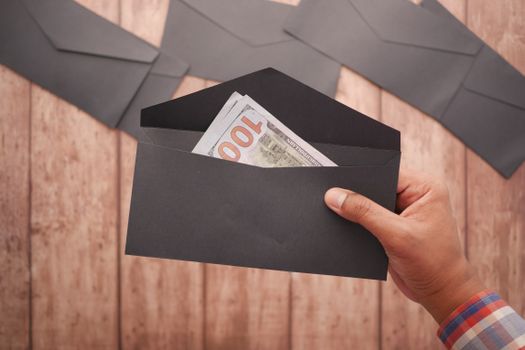
Introduction to Cash Envelope Savings Method
The cash envelope savings method is a simple yet effective way to manage your finances and save money. By using physical cash for different expense categories, you can avoid overspending and stick to your budget. According to the Federal Reserve, a 2023 study found that people tend to overspend by 23% when using cards compared to cash.
Why Cash Works Better Than Cards (Psychology)
The reason behind this phenomenon lies in the dopamine response to physical cash versus digital spending. When we use cash, our brain responds more strongly to the transaction, making us more aware of our spending. This is supported by the Federal Reserve Payments Study 2023, which highlights the importance of cash in financial decision-making.
Exact Envelope Categories That Deliver Results
To implement the cash envelope system effectively, it’s essential to categorize your expenses into essentials (50%), flexible spending (30%), and goals (20%). For example, if you have a monthly income of $2,500, you would allocate $1,250 for essentials, $750 for flexible spending, and $500 for goals. This breakdown is based on guidelines from the Consumer Financial Protection Bureau.
The $100 Grocery Challenge (With Meal Plan)
One way to reduce your flexible spending is by taking on the $100 grocery challenge. By planning your meals and shopping at stores like Aldi, you can stay under $100 for a week’s worth of groceries. According to the USDA Thrifty Food Plan 2024, a typical grocery budget for one person is around $175 per week. Here’s a sample 7-day meal plan:
| Day | Breakfast | Lunch | Dinner |
|---|---|---|---|
| Mon | Oatmeal | Sandwich | Pasta |
| Tue | Scrambled eggs | Soup | Grilled chicken |
| Wed | Yogurt | Salad | Tacos |
| Thu | Avocado toast | Leftovers | Baked salmon |
| Fri | Smoothie | Quesadilla | Stir-fry |
| Sat | Pancakes | Omelette | Roast chicken |
| Sun | Breakfast burrito | Grilled cheese | Beef stew |
Where Most People Fail (And How to Fix It)
Common mistakes that can derail your cash envelope system include inconsistent refills, not tracking coins, and omitting emergency funds. To avoid these pitfalls, make sure to:
- Refill your envelopes regularly
- Keep track of your coins and add them to your savings
- Set aside a portion of your income for emergency funds According to a survey by the National Foundation for Credit Counseling, these mistakes can lead to financial stress and decreased savings.
Digital Adaptation for Cashless Situations
For situations where cash is not practical, you can use digital tools like Monzo or Starling Bank to implement the cash envelope system. These apps allow you to create virtual pots for different expense categories and set budgets. You can also use transaction blocking scripts to prevent overspending. A study in the Journal of Behavioral Finance 2022 found that digital tools can be effective in promoting financial discipline.
Frequently Asked Questions
How does the cash envelope system work?
The cash envelope system works by dividing your expenses into categories and allocating a specific amount of cash for each category. This helps you stick to your budget and avoid overspending.
What are the benefits of using cash?
Using cash can help you avoid overspending, as it makes you more aware of your transactions. It can also help you stick to your budget and reduce financial stress.
Can I use digital tools for the cash envelope system?
Yes, you can use digital tools like Monzo or Starling Bank to implement the cash envelope system. These apps allow you to create virtual pots for different expense categories and set budgets.
How much should I allocate for each category?
The allocation for each category will depend on your individual needs and expenses. A general guideline is to allocate 50% for essentials, 30% for flexible spending, and 20% for goals.
What if I don’t have enough cash for a category?
If you don’t have enough cash for a category, you can either reduce your spending in that category or allocate more cash from another category.
How can I make sure I’m saving enough?
To make sure you’re saving enough, you can set a savings goal and track your progress regularly. You can also use the 50/30/20 rule as a guideline for allocating your income.
My Take
As an app developer and professional chef, I’ve seen firsthand the importance of budgeting and financial discipline. The cash envelope system has been a game-changer for me, helping me stay on top of my finances and save for my goals. I’ve also found that using digital tools like Monzo can be a great way to adapt the system to cashless situations. One of my favorite products for implementing the cash envelope system is the Avery Budget Envelopes with Customizable Tabs. These envelopes are easy to use and help me stay organized. I also recommend checking out You Need a Budget (YNAB) for a comprehensive budgeting solution.
You might also like
- investing in peer-to-peer real estate crowdfunding
- Credit card debt payoff plan: $15k in 18 months
- 50/30/20 budgeting for $75,000 income
- Free budgeting apps like Mint, Personal Capital
Practical Summary
To start saving $500/month with the cash envelope system, follow these steps:
- Allocate your income into categories (50% essentials, 30% flexible spending, 20% goals)
- Use physical cash for each category
- Refill your envelopes regularly
- Track your coins and add them to your savings
- Set aside a portion of your income for emergency funds
- Consider using digital tools like Monzo or Starling Bank for cashless situations
- Review and adjust your budget regularly to ensure you’re on track to meet your savings goals
Written by Vladys Z. — App developer and professional chef. Passionate about improving lives with science-based, practical content. Follow me on YouTube.
Sources
- Federal Reserve. (2023). Payments Study.
- Consumer Financial Protection Bureau. (n.d.). Budgeting Guidelines.
- USDA. (2024). Thrifty Food Plan.
- National Foundation for Credit Counseling. (n.d.). Survey.
- Journal of Behavioral Finance. (2022). Study.
Related articles
overpaying for overdrafts on savings accounts
Discover how over 100 million Americans are losing $1,200 per year due to hidden fees on their savings accounts
Save $10,000 in 2 Years with the 52-Week Savings Challenge
A step-by-step guide to help you save $10,000 in 2 years with the 52-week savings challenge, a proven method to boost your savings.

52-Week Savings Challenge with Real Figures
Boost your savings with this simple yet effective challenge that starts with a small amount and increases weekly, helping you build a substantial savings fund.