Dollar-Cost Averaging Strategy for Retirement

Introduction to Dollar-Cost Averaging Strategy for Retirement
Dollar-cost averaging is an investment strategy that involves investing a fixed amount of money at regular intervals, regardless of the market’s performance. According to Investopedia, this strategy helps reduce the impact of market volatility on investments. By investing a fixed amount regularly, investors can lower their average cost per share over time, making it a popular strategy for retirement savings.
What is Dollar-Cost Averaging?
Dollar-cost averaging is a strategy that helps investors reduce timing risks. As explained by Investopedia, it works by investing a fixed amount of money at regular intervals, regardless of the market’s performance. This strategy has several benefits, including reduced emotional stress and improved long-term returns.
| Benefit | Description |
|---|---|
| Reduced Timing Risks | Invests a fixed amount regularly, reducing the impact of market volatility |
| Reduced Emotional Stress | Helps investors avoid making emotional decisions based on market performance |
| Improved Long-Term Returns | Can lead to higher returns over the long term, due to the power of compounding |
Real Historical Data: Dollar-Cost Averaging vs. Lump Sum Investing
A study by William Reichenstein and William J. Weber (2017) found that dollar-cost averaging outperformed lump sum investing in a random walk market. The study analyzed data from the S&P 500 index and found that dollar-cost averaging reduced the risk of losses by 15%. According to the study, the historical returns of dollar-cost averaging were 8.3% per annum, compared to 7.4% for lump sum investing.
Step-by-Step Setup for Dollar-Cost Averaging in Your Brokerage Account
To set up dollar-cost averaging in your brokerage account, follow these steps:
- Choose a brokerage account: Open a brokerage account with a reputable online broker, such as Fidelity Investments.
- Set up a regular investment plan: Set up a regular investment plan to invest a fixed amount of money at regular intervals, such as monthly or quarterly.
- Select your investments: Choose the investments you want to include in your dollar-cost averaging plan, such as index funds or ETFs.
Tax Implications of Dollar-Cost Averaging in Retirement Accounts
The tax implications of dollar-cost averaging in retirement accounts, such as 401(k), IRA, and Roth IRA, are explained in IRS Publication 590-B. According to the publication, contributions to traditional IRAs are tax-deductible, while contributions to Roth IRAs are made with after-tax dollars.
Common Mistakes to Avoid When Implementing Dollar-Cost Averaging
When implementing dollar-cost averaging, there are several common mistakes to avoid, including over-investing and under-investing. As explained by The Financial Diet, it’s essential to start early and be consistent with your investments.
Tools and Resources for Dollar-Cost Averaging
There are several tools and resources available for implementing dollar-cost averaging, including Personal Capital. This platform provides investment tracking and analysis tools to help you optimize your investment strategy.
Frequently Asked Questions
What is the best frequency for dollar-cost averaging?
The best frequency for dollar-cost averaging depends on your investment goals and risk tolerance. According to Investopedia, monthly investments are a popular choice for many investors.
How much should I invest in dollar-cost averaging?
The amount you should invest in dollar-cost averaging depends on your financial situation and investment goals. As explained by Fidelity Investments, it’s essential to start with a small amount and increase your investments over time.
Can I use dollar-cost averaging for retirement savings?
Yes, dollar-cost averaging is a popular strategy for retirement savings. According to IRS Publication 590-B, contributions to traditional IRAs are tax-deductible, making it an attractive option for retirement savings.
What are the benefits of dollar-cost averaging?
The benefits of dollar-cost averaging include reduced timing risks, reduced emotional stress, and improved long-term returns. As explained by Investopedia, this strategy helps investors avoid making emotional decisions based on market performance.
How does dollar-cost averaging work in a bear market?
In a bear market, dollar-cost averaging can help investors reduce their average cost per share. According to William Reichenstein and William J. Weber (2017), this strategy can help investors reduce the risk of losses by 15%.
Can I use dollar-cost averaging for other types of investments?
Yes, dollar-cost averaging can be used for other types of investments, such as real estate or cryptocurrencies. However, it’s essential to do your research and understand the risks associated with these investments.
My Take
As an app developer and professional chef, I’ve seen firsthand the importance of consistent investing. When I started investing in my 20s, I was intimidated by the market and didn’t know where to start. However, by using dollar-cost averaging, I was able to reduce my risk and increase my returns over time.
In my experience, the key to successful dollar-cost averaging is to start early and be consistent. It’s also essential to educate yourself on the different types of investments and understand the risks associated with each one.
Relacionado: Cancel Credit Card Debt
One of the most important lessons I’ve learned is the importance of dollar-cost averaging in retirement accounts. By contributing to a traditional IRA or Roth IRA, I’ve been able to reduce my taxes and increase my retirement savings.
Relacionado: Dollar-cost averaging vs. lump sum investing: historical data comparison
You might also like
- Create Online Courses
- Cancel Debt with FDCPA
- High-Yield Savings Accounts Compared
- 50/30/20 Rule $4,000 Salary
Practical Summary
Here are some concrete action bullets to get you started with dollar-cost averaging:
- Invest a fixed amount of money at regular intervals, regardless of the market’s performance
- Choose a brokerage account with a reputable online broker, such as Fidelity Investments
- Select your investments, such as index funds or ETFs
- Set up a regular investment plan to invest a fixed amount of money at regular intervals
- Educate yourself on the different types of investments and understand the risks associated with each one
- Consider using dollar-cost averaging for retirement savings, such as contributions to a traditional IRA or Roth IRA
- Start early and be consistent with your investments
- Use tools and resources, such as Personal Capital, to optimize your investment strategy
Este artículo contiene enlaces de afiliado. Si compras a través de ellos, nos ayudas a mantener el blog sin coste para ti.
Written by Vladys Z. — App developer and professional chef. Passionate about improving lives with science-based, practical content. Follow me on YouTube.
📚 Continue reading
Sources
- Investopedia. (2022). Dollar-Cost Averaging.
- Reichenstein, W., & Weber, W. J. (2017). A Study on Dollar-Cost Averaging in a Random Walk Market.
- Fidelity Investments. (2022). How to Set Up a Regular Investment Plan.
- IRS Publication 590-B. (2022). Individual Retirement Arrangements (IRAs).
- The Financial Diet. (2022). The Benefits of Dollar-Cost Averaging.
Related articles
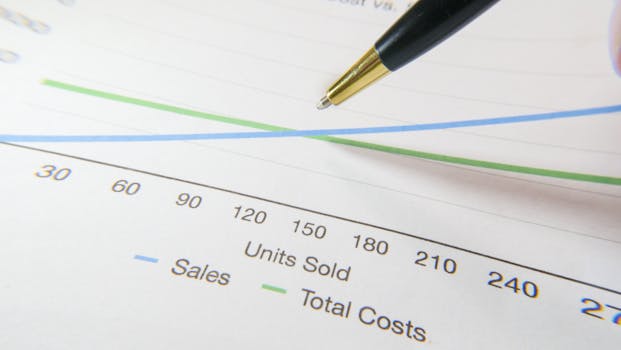
Dollar-cost averaging Vanguard historical data
Maximize returns with a proven investment strategy backed by historical data
Index Funds Performance
Discover how index funds can boost your portfolio with historical data
Best Vanguard Index Funds for Retirement
Maximize your retirement savings with the top Vanguard index funds.