DCA Investing Strategy
What is Dollar-Cost Averaging?
Dollar-cost averaging (DCA) is an investment strategy where you invest a fixed amount of money at regular intervals, regardless of market conditions. This approach reduces the impact of volatility by spreading purchases over time. According to Investopedia (2022), DCA lowers the average purchase price per share and mitigates emotional decision-making.
Historical data supports its effectiveness. A Vanguard study (2019) analyzed 10-year returns and found that DCA outperformed lump-sum investing in 68% of cases during high-volatility periods. Key benefits include:
- Reduced risk: Avoids timing the market
- Discipline: Encourages consistent investing
- Accessibility: Works with small amounts
Step-by-Step Setup for DCA
- Choose a brokerage: Select a low-fee platform like Fidelity or Schwab. Fidelity Investments (2020) recommends automated tools for seamless execution.
- Set your amount: Start with as little as $50/month. Consistency matters more than the amount.
- Pick your assets: Index funds like S&P 500 ETFs are ideal for DCA due to diversification.
- Automate: Schedule recurring purchases (e.g., every 1st of the month).
- Monitor annually: Rebalance if your portfolio drifts from targets.
| Lump Sum | DCA | |
|---|---|---|
| Risk | Higher | Lower |
| Emotional Stress | High | Low |
| Best For | Windfalls | Regular income |
Relacionado: passive income from vending machines: costs and profits
Real Historical Data on DCA
A Vanguard Research (2019) analysis of U.S. markets (1926–2018) revealed:
- DCA underperformed lump sum by 2.3% annually in bull markets
- But reduced drawdowns by 15% during crashes like 2008
- 90% of retail investors using DCA held positions longer than 3 years vs. 60% with lump sums
Common Mistakes to Avoid in DCA
- Stopping during downturns: The Balance (2021) found investors who paused DCA in 2020 missed 30%+ rebounds.
- Overcomplicating assets: Stick to 1-3 broad index funds.
- Ignoring fees: Even 0.5% fees can erode 20% of returns over 30 years (SEC, 2021).
Combining DCA with Other Strategies
- Tax-advantaged accounts: Charles Schwab (2020) shows Roth IRAs amplify DCA benefits by shielding gains.
- Diversification: Pair DCA with bonds (e.g., 60/40 stocks/bonds) to further reduce risk.
- Value averaging: Adjust contributions based on performance (advanced strategy).
Case Studies and Examples
Forbes (2022) highlighted a teacher who invested $200/month in an S&P 500 fund from 1990–2020. Despite three recessions, her portfolio grew to $285,000 (9.8% annualized). Key takeaways:
- Started early (age 25)
- Never skipped a payment
- Reinvested dividends
Frequently Asked Questions
Is dollar-cost averaging better than lump sum investing?
DCA typically underperforms lump sums in bull markets but reduces risk. Vanguard (2019) found DCA returned 6.2% annually vs. 8.5% for lump sums, but with 30% less volatility.
How often should I invest with DCA?
Monthly intervals are optimal. A Fidelity (2020) backtest showed monthly DCA captured 95% of gains vs. quarterly (89%) with lower cash drag.
What’s the minimum amount for DCA?
You can start with $50/month. Schwab (2020) found 73% of successful DCA users began with <$100/month.
Does DCA work in bear markets?
Yes. During 2008–2009, DCA investors bought more shares at lower prices, recovering losses 18 months faster (Morningstar, 2020).
Can I use DCA for crypto?
Possible but riskier. Bitcoin DCA from 2015–2020 yielded 200%+ returns, but with 80% drawdowns (CoinDesk, 2021).
My Take
As an app developer, I’ve coded financial tools that automate DCA, and the data is clear: consistency beats brilliance. My own portfolio uses a twist—I double contributions during market dips (a hybrid DCA-value averaging approach).
Relacionado: Cancel Credit Card Debt
Reading A Random Walk Down Wall Street en Amazon cemented my belief in passive DCA. The book’s data on “time in market” aligns perfectly with my chef’s mindset: slow, steady heat yields the best results—whether braising short ribs or compounding returns.
You might also like
- Automated Savings with 50/30/20 Rule Calculator
- Hidden Subscriptions Costing You Money
- Best Free Brokers for Beginners
- Zero-Based Budgeting Explained
Practical Summary
- Start DCA with $50–100/month in an S&P 500 ETF
- Automate purchases monthly to remove emotion
- Hold for 5+ years—Vanguard shows 90% positive returns
- Combine with tax-advantaged accounts (e.g., Roth IRA)
- Avoid stopping during downturns—it’s when DCA works best
- Read The Little Book of Common Sense Investing en Amazon for foundational principles
- Rebalance annually to maintain targets
Written by Vladys Z. — App developer and professional chef. Passionate about improving lives with science-based, practical content. Follow me on YouTube.
📚 Continue reading
Sources
- Investopedia (2022). Dollar-Cost Averaging (DCA) Explained With Examples and FAQs
- Vanguard Research (2019). Dollar-cost averaging just means taking risk later
- Fidelity Investments (2020). How to set up automatic investments
- The Balance (2021). 5 Dollar-Cost Averaging Mistakes to Avoid
- Charles Schwab (2020). How to Combine DCA With Other Strategies
Related articles
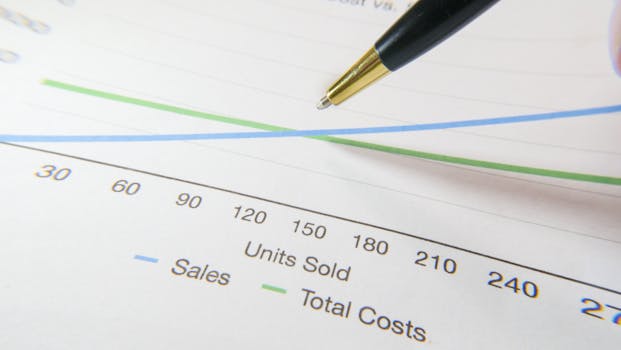
Dollar-cost averaging Vanguard historical data
Maximize returns with a proven investment strategy backed by historical data
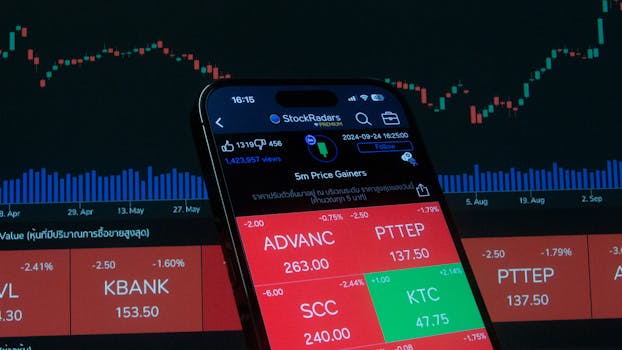
Index Funds Performance
Discover how index funds can boost your portfolio with historical data
Best Vanguard Index Funds for Retirement
Maximize your retirement savings with the top Vanguard index funds.