Zero-based budgeting for freelancers with irregular income
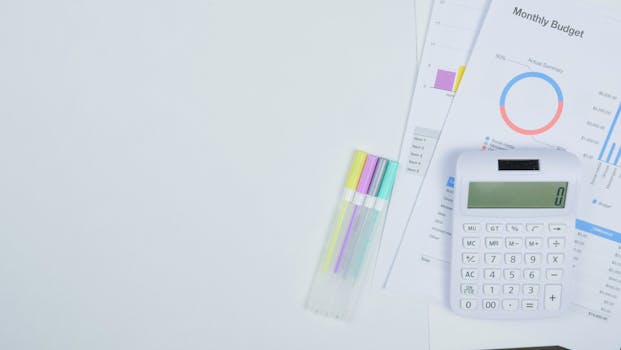
Introduction to Zero-Based Budgeting for Freelancers
As a freelancer, managing finances can be challenging due to irregular income. However, zero-based budgeting for freelancers can help track every dollar, adapt to income fluctuations, and avoid overspending in lean months. According to the National Association of Freelancers, 2023 Report, freelancers who use zero-based budgeting are more likely to have a stable financial situation.
Why Zero-Based Budgeting Works for Freelancers
Zero-based budgeting helps freelancers to track every dollar, adapt to income fluctuations, and avoid overspending in lean months. In contrast to traditional budgeting methods, zero-based budgeting requires freelancers to justify every expense, which helps to reduce unnecessary spending. For example, a study by the Bureau of Labor Statistics, 2022 Consumer Expenditure Survey, found that the average American spends around $63,000 per year, with $18,000 going towards discretionary spending.
Step 1: Calculate Your Baseline Monthly Expenses
To start with zero-based budgeting, freelancers need to calculate their baseline monthly expenses. This includes essential fixed costs such as rent, utilities, and insurance, as well as variable necessities like groceries and transportation. For example, a freelancer’s $3,500/month baseline might include:
- $1,500 for rent
- $500 for utilities
- $300 for insurance
- $800 for groceries
- $400 for transportation
Step 2: Prioritize Sinking Funds for Irregular Bills
Freelancers also need to allocate money for quarterly taxes, equipment upgrades, and annual subscriptions. For example, setting aside $200/month for a $2,400 annual tax bill can help to avoid a large tax payment at the end of the year. According to the IRS Self-Employed Tax Guide, 2024, freelancers are required to make estimated tax payments each quarter.
Step 3: Assign Every Dollar of Your Lowest-Earning Month
To ensure that they can cover their expenses even in lean months, freelancers should use their worst-case income month as the baseline. For example, if a freelancer’s lowest-earning month is $2,800, they can allocate their income as follows:
- 50% for essential expenses
- 20% for taxes
- 15% for debt repayment
- 10% for savings
- 5% for discretionary spending
Step 4: Adjust for Surplus Months
When freelancers have a surplus month, they can use the extra income to build an emergency fund, pay off debt, or invest in their business. For example, if a freelancer earns $5,000 in a month, they can allocate the extra income as follows:
- $2,000 to savings
- $1,000 to debt repayment
- $1,000 to investments
- $1,000 to discretionary spending
Tools to Automate Your Zero-Based Budget
There are several tools available to help freelancers automate their zero-based budget, including YNAB (You Need A Budget), Goodbudget, and spreadsheets. According to the NerdWallet Budgeting Tools Review, 2024, YNAB is a popular choice among freelancers due to its ease of use and flexibility.
Frequently Asked Questions
What is zero-based budgeting?
Zero-based budgeting is a budgeting method that requires freelancers to justify every expense and allocate their income into different categories. According to the Federal Reserve Report on Gig Economy, 2023, zero-based budgeting can help freelancers to better manage their finances and reduce financial stress.
How do I calculate my baseline monthly expenses?
To calculate your baseline monthly expenses, you need to track your income and expenses for a month and then categorize your expenses into essential fixed costs, variable necessities, and discretionary spending. For example, you can use a spreadsheet to track your expenses and then allocate your income into different categories.
What is the 50/30/20 rule?
The 50/30/20 rule is a budgeting rule that suggests allocating 50% of your income towards essential expenses, 30% towards discretionary spending, and 20% towards saving and debt repayment. According to the Bureau of Labor Statistics, 2022 Consumer Expenditure Survey, this rule can help freelancers to achieve a better balance between spending and saving.
How do I prioritize sinking funds for irregular bills?
To prioritize sinking funds for irregular bills, you need to identify your irregular expenses, such as quarterly taxes and annual subscriptions, and then allocate a fixed amount each month towards these expenses. For example, you can set aside $200/month for a $2,400 annual tax bill.
What is the best budgeting tool for freelancers?
The best budgeting tool for freelancers depends on their individual needs and preferences. However, popular choices include YNAB (You Need A Budget), Goodbudget, and spreadsheets. According to the NerdWallet Budgeting Tools Review, 2024, YNAB is a popular choice among freelancers due to its ease of use and flexibility.
Can I use a budgeting app to automate my zero-based budget?
Yes, you can use a budgeting app to automate your zero-based budget. There are several budgeting apps available, including YNAB (You Need A Budget), Goodbudget, and Mint. According to the NerdWallet Budgeting Tools Review, 2024, these apps can help freelancers to track their income and expenses, categorize their expenses, and allocate their income into different categories.
My Take
As a freelancer and app developer, I have found that zero-based budgeting is an effective way to manage my finances and reduce financial stress. By tracking every dollar and allocating my income into different categories, I can ensure that I have enough money to cover my essential expenses, pay off debt, and invest in my business. I also use a budgeting app to automate my zero-based budget and make it easier to track my income and expenses.
In my experience, the key to successful zero-based budgeting is to be consistent and disciplined. It requires a lot of effort and dedication to track every dollar and allocate my income into different categories. However, the benefits are well worth it. By using zero-based budgeting, I can achieve a better balance between spending and saving, reduce financial stress, and achieve my long-term financial goals.
I also recommend using a budgeting app to automate your zero-based budget. There are several budgeting apps available, including YNAB (You Need A Budget), Goodbudget, and Mint. These apps can help you to track your income and expenses, categorize your expenses, and allocate your income into different categories. You can also use YNAB (You Need A Budget) Premium Subscription en Amazon to get started with zero-based budgeting.
You might also like
- Mint App Setup Guide
- Best High-Yield Savings Accounts for Emergency Funds
- Compound Interest Over 30 Years
- monthly budget template for $4000 salary
Practical Summary
Here are some concrete action bullets to help you get started with zero-based budgeting:
- Track your income and expenses for a month to calculate your baseline monthly expenses
- Allocate your income into different categories, such as essential expenses, discretionary spending, and savings
- Use a budgeting app to automate your zero-based budget and make it easier to track your income and expenses
- Prioritize sinking funds for irregular bills, such as quarterly taxes and annual subscriptions
- Adjust your budget for surplus months by allocating extra income towards savings, debt repayment, and investments
- Review and adjust your budget regularly to ensure that you are on track to achieve your long-term financial goals
- Consider using Goodbudget en Amazon or Mint en Amazon to complement your budgeting strategy
- Take advantage of YNAB (You Need A Budget) Premium Subscription en Amazon to get personalized budgeting advice and support
Written by Vladys Z. — App developer and professional chef. Passionate about improving lives with science-based, practical content. Follow me on YouTube.
Sources
- National Association of Freelancers. (2023). 2023 Report.
- Bureau of Labor Statistics. (2022). Consumer Expenditure Survey.
- IRS. (2024). Self-Employed Tax Guide.
- Federal Reserve. (2023). Report on Gig Economy.
- NerdWallet. (2024). Budgeting Tools Review.
Related articles
Zero-Based Budgeting Explained
Transform your finances with a step-by-step guide to zero-based budgeting
Mint Budgeting App Tutorial
Master your finances with Mint, a free budgeting app
Mint Budgeting App Setup and Example
Learn how to configure Mint to track your expenses and stay on top of your finances with this step-by-step guide.