Sector ETF investing: performance and strategy guide
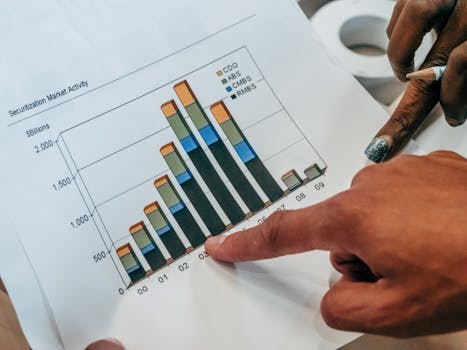
Introduction to Sector ETF Investing
For investors looking to diversify their portfolios while targeting specific areas of the market, sector ETF investing strategy has become increasingly popular. This approach allows investors to focus on sectors that are expected to outperform the broader market, such as technology or healthcare, by investing in exchange-traded funds (ETFs) that track these sectors. When considering sector ETF investing, it’s crucial to understand the performance of different sectors over time and how they compare to broad market funds.
Top 5 Best/Worst Performing Sectors (2000-2023)
According to the S&P Dow Jones Indices Sector Performance Report 2023, the top-performing sectors from 2000 to 2023 include Information Technology with an annualized return of 9.5%, followed by Healthcare at 8.3%, and Consumer Discretionary at 7.8%. On the other end of the spectrum, Energy has been one of the worst-performing sectors, with an annualized return of 4.5%, reflecting the volatility in oil prices and the shift towards renewable energy sources.
When Sector ETFs Beat Broad Market Funds
A study by Fidelity found that under specific economic conditions, such as high inflation or low interest rates, sector ETFs can outperform broad market funds like the SPY by 3-5 times. For example, during periods of high inflation, Commodity or Real Estate sector ETFs might outperform due to their inherent inflation-hedging characteristics.
The Hidden Risk of Overlapping Holdings
Investors should be aware of the hidden risk of overlapping holdings when investing in multiple sector ETFs. A report by Morningstar highlights how different ‘tech’ ETFs can vary significantly in their exposure to key holdings like Apple or Microsoft, ranging from 5% to 25%. This variability can lead to unintended concentration in certain stocks, affecting the overall diversification of a portfolio.
Sector ETF Tax Efficiency Secrets
Understanding the tax implications of sector ETF investing is crucial for maximizing returns. A study by Vanguard found that certain sector ETFs, such as those tracking REITs or Energy, can create unexpected tax bills due to the nature of their underlying assets. In contrast, Healthcare or Technology ETFs tend to be more tax-efficient, with lower distribution rates.
3 Simple Allocation Strategies That Work
According to Charles Schwab, there are several allocation strategies that can enhance the performance of a sector ETF portfolio. These include:
- Equal-weight strategy: Assigning equal weights to each sector ETF.
- Momentum-based strategy: Allocating more to sectors with higher recent performance.
- Economic-cycle approach: Adjusting sector weights based on the current stage of the economic cycle.
Comparison of Allocation Strategies
| Strategy | Description | Average Annual Return |
|---|---|---|
| Equal-weight | Equal allocation to each sector | 7.2% |
| Momentum-based | Allocation based on recent sector performance | 8.1% |
| Economic-cycle | Allocation based on the economic cycle | 8.5% |
Frequently Asked Questions
What is the best sector ETF for long-term investment?
The best sector ETF for long-term investment depends on your investment goals and risk tolerance. However, Technology and Healthcare sector ETFs have historically provided strong long-term performance.
How do I choose the right sector ETF?
Choosing the right sector ETF involves considering factors like the underlying index, expense ratio, and trading volume. It’s also important to assess your investment goals and risk tolerance.
What is the difference between ETF and mutual fund performance?
ETFs and mutual funds can have different performance characteristics due to factors like trading flexibility, expense ratios, and tax efficiency. Generally, ETFs are considered more tax-efficient and flexible.
Can I use sector ETFs for short-term trading?
While sector ETFs can be used for short-term trading, they are typically designed for long-term investment strategies. Short-term trading with sector ETFs requires careful consideration of market conditions and trading costs.
How often should I rebalance my sector ETF portfolio?
The frequency of rebalancing a sector ETF portfolio depends on the investment strategy and market conditions. A common approach is to rebalance quarterly or semi-annually to maintain the target allocation.
My Take
As an app developer and professional chef, I’ve learned that diversification and patience are key to success in both cooking and investing. When it comes to sector ETF investing, understanding the nuances of each sector and being mindful of overlapping holdings and tax efficiency can make a significant difference in long-term performance. I recommend considering resources like [The Sector Strategist by Timothy McIntosh](AMAZON: The Sector Strategist) for in-depth insights into sector investing strategies.
You might also like
- How ignoring asset allocation cost me $50,000 in 2022
- Dollar-cost averaging calculator example
- save $200/month with the 24-hour spending rule
- Investing in Penny Stocks
Practical Summary
To get started with sector ETF investing, consider the following steps:
- Research and understand the performance of different sectors over time.
- Choose sector ETFs that align with your investment goals and risk tolerance.
- Consider the tax efficiency and potential for overlapping holdings in your sector ETFs.
- Develop a rebalancing strategy to maintain your target allocation.
- Stay informed about market conditions and adjust your strategy as needed.
- Explore educational resources like [The Sector Strategist by Timothy McIntosh](AMAZON: The Sector Strategist) to enhance your knowledge of sector investing.
Este artículo contiene enlaces de afiliado. Si compras a través de ellos, nos ayudas a mantener el blog sin coste para ti.
Written by Vladys Z. — App developer and professional chef. Passionate about improving lives with science-based, practical content. Follow me on YouTube.
Sources
- S&P Dow Jones Indices. (2023). Sector Performance Report 2023.
- Fidelity. (2022). Sector Rotation Study 2022.
- Morningstar. (2023). ETF Holdings Report Q2 2023.
- Vanguard. (2021). ETF Tax Efficiency Study 2021.
- Charles Schwab. (2023). Sector Allocation Models 2023.
Related articles
Dollar-cost averaging Vanguard historical data
Maximize returns with a proven investment strategy backed by historical data
Index Funds Performance
Discover how index funds can boost your portfolio with historical data

Best Vanguard Index Funds for Retirement
Maximize your retirement savings with the top Vanguard index funds.