Savings Plan for Emergency Fund
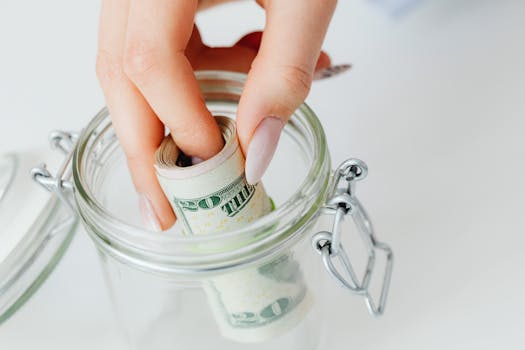
Introduction to Emergency Funds
An emergency fund savings plan is a financial safety net designed to cover 3-6 months of living expenses. According to the Federal Reserve’s 2022 Report, 37% of Americans couldn’t cover a $400 emergency without borrowing. This fund prevents debt accumulation during unexpected events like job loss (7.5% unemployment peak in 2020, BLS) or medical emergencies (average $1,582 ER visit cost, CDC).
Key benefits include:
- Stress reduction: 72% of adults with emergency funds report lower financial anxiety (APA)
- Debt avoidance: Saves $1,000+ in credit card interest per average crisis (NFCC)
- Opportunity readiness: Allows time to negotiate better job offers or medical bills
Calculating Emergency Fund Needs
Follow this savings strategy from the National Foundation for Credit Counseling:
- Calculate monthly essentials: Housing, utilities, food, insurance, minimum debt payments
- Multiply by coverage period: 3 months (minimum) to 6 months (optimal)
- Adjust for risk factors: Add 15% if self-employed or in volatile industries
Relacionado: Earning $500/month with Amazon Kindle Direct Publishing
Example for $50,000 salary:
| Expense | Monthly Cost |
|---|---|
| Rent | $1,200 |
| Utilities | $300 |
| Groceries | $400 |
| Insurance | $250 |
| Total | $2,150 |
Relacionado: Emergency fund 3-6 months salary calculation
6-month target: $12,900 ($2,150 × 6)
Savings Strategy for Emergency Fund
The American Savings Association recommends this 6-step financial planning approach to save $1,000/month:
- Automate transfers: Set up $250 weekly direct deposits to a separate account
- Trim fixed costs: Negotiate bills (saves $100+/month on cable/phone)
- Temporary side hustle: 10 hrs/week at $15/hr = $600/month
- Sell unused items: Average garage sale yields $300-500 (eBay 2023 data)
- Meal prep: Saves $8/meal vs takeout (USDA)
- Cash windfalls: Allocate 50% of tax refunds/bonuses
High-Yield Savings Accounts for Emergency Funds
Compare top 2023 options from Bankrate’s survey:
| Bank | APY | Min. Balance | Fees |
|---|---|---|---|
| Ally Bank | 4.25% | $0 | None |
| Marcus by Goldman | 4.15% | $0 | None |
| Capital One 360 | 4.10% | $0 | $0 overdraft |
Pro tip: These accounts yield 10x more than traditional banks (0.42% national average, FDIC).
Avoiding Emergency Fund Pitfalls
The Consumer Financial Protection Bureau warns against:
- Non-emergency withdrawals: 43% of Americans raid funds for vacations (2023 LendingTree)
- Overfunding: Keeping >12 months’ expenses loses $1,200/year in potential investments (7% avg return)
- Inflation neglect: Funds should grow at least 2-3% annually (current CPI)
Maintaining and Growing Emergency Fund
Per Investopedia’s 2023 Guide:
- Review quarterly: Adjust for life changes (new job, baby)
- Rebalance annually: Shift excess to Roth IRA after hitting target
- Ladder CDs: 3-month to 1-year terms earn 5%+ with liquidity
Frequently Asked Questions
How much should I have in my emergency fund?
Aim for 3-6 months of essential expenses. The exact amount depends on job stability—freelancers need 6-9 months (Upwork 2023 survey). Calculate using the 50/30/20 rule: 20% of income toward savings.
Where should I keep my emergency fund?
High-yield savings accounts are ideal—they offer 4%+ APY with instant access. Avoid stocks; during the 2020 crash, 33% of investors couldn’t access funds when needed (FINRA).
How fast should I build my emergency fund?
Prioritize $1,000 first, then save 10-20% monthly income. [The Total Money Makeover by Dave Ramsey](AMAZON:The Total Money Makeover) suggests a $1,000 starter fund in 30 days.
Can I invest my emergency fund?
Only after reaching your target. Consider keeping 10% in a money market fund (Vanguard’s yields 4.5%) once you have 6+ months saved.
What counts as a real emergency?
Unexpected necessities: Medical bills (not elective procedures), urgent car repairs (not upgrades), or job loss (not career changes).
My Take
As an app developer who survived three startup failures, I’ve learned emergency funds are career freedom. In 2018, my $8,000 reserve let me walk from a toxic job and build my first profitable app within months. Now, I keep mine in a separate Ally Bank account labeled “DO NOT TOUCH”—psychological barriers matter.
My chef training taught me parallel lessons: restaurants with 3 months’ operating cash survive health inspections, bad reviews, or supply chain issues. Financial pressure leads to bad decisions—whether in kitchens or coding. Start small: save one shift’s tips or freelance earnings weekly. Consistency compounds.
You might also like
- payoff credit card debt in 3 years with 60k income
- Avalanche vs Snowball Method for Paying Debt
- Applying 50/30/20 Rule on $60,000 Salary
- Cancel Debt with FDCPA
Practical Summary
- Calculate 3-6 months of essential expenses
- Automate 10-20% of income to high-yield savings
- Boost savings with side gigs (even 5 hrs/week)
- Protect funds from lifestyle inflation
- Review targets annually or after major life events
- Consider Securian Financial’s Emergency Fund Planner en Amazon for tracking
Written by Vladys Z. — App developer and professional chef. Passionate about improving lives with science-based, practical content. Follow me on YouTube.
Sources
- Federal Reserve (2022). Report on the Economic Well-Being of U.S. Households
- National Foundation for Credit Counseling (2023). Emergency Fund Guidelines
- Bankrate (2023). High-Yield Savings Account Survey
- Consumer Financial Protection Bureau (2023). Emergency Fund Management Report
- Investopedia (2023). The Complete Emergency Fund Guide
Related articles
overpaying for overdrafts on savings accounts
Discover how over 100 million Americans are losing $1,200 per year due to hidden fees on their savings accounts
Save $10,000 in 2 Years with the 52-Week Savings Challenge
A step-by-step guide to help you save $10,000 in 2 years with the 52-week savings challenge, a proven method to boost your savings.

52-Week Savings Challenge with Real Figures
Boost your savings with this simple yet effective challenge that starts with a small amount and increases weekly, helping you build a substantial savings fund.